We are processing your request.
Please, don't close or refresh the page.
11 AM – 5 PM
Prins Eugens Väg 6, Stockholm, Stockholm
2-3 hours approx.
Price from: 180.20 SEK

Prins Eugens Waldemarsudde, Stockholm: Tickets and Info

This website offers official tickets for this venue. Please note, however, that it is not the official website of the venue.

Smartphone tickets

Smartphone tickets

Why wait?

Priority Access Available

Instant confirmation

Instant confirmation

Smartphone tickets

Smartphone tickets

Everything you need, right in your pocket!
Why wait?

Why wait?

Skip the line and get priority access
Instant confirmation

Instant confirmation

Receive your tickets seconds after your purchase
4.7
(35)

Prince Eugen's Waldemarsudde residence and museum

Highlights

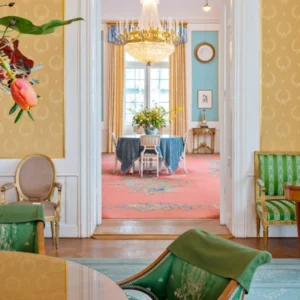
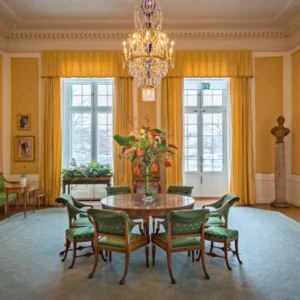
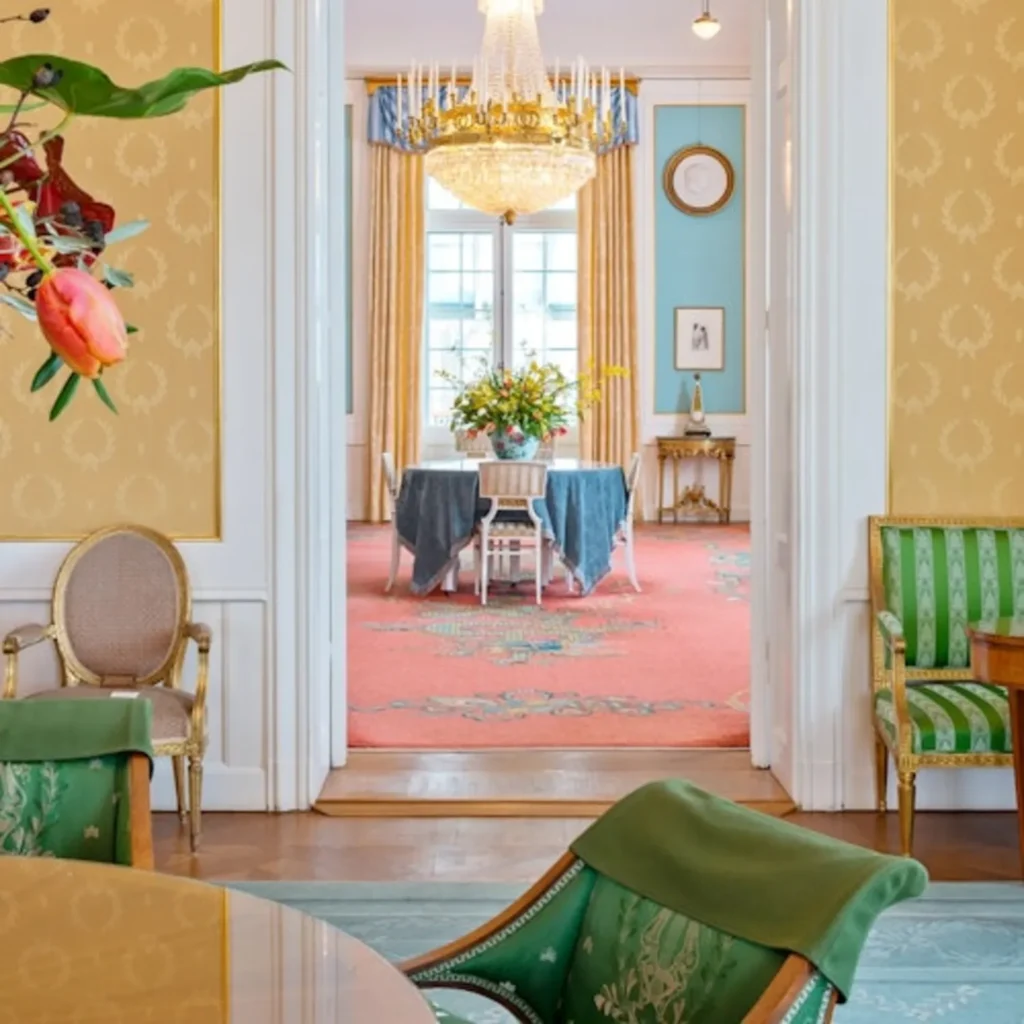
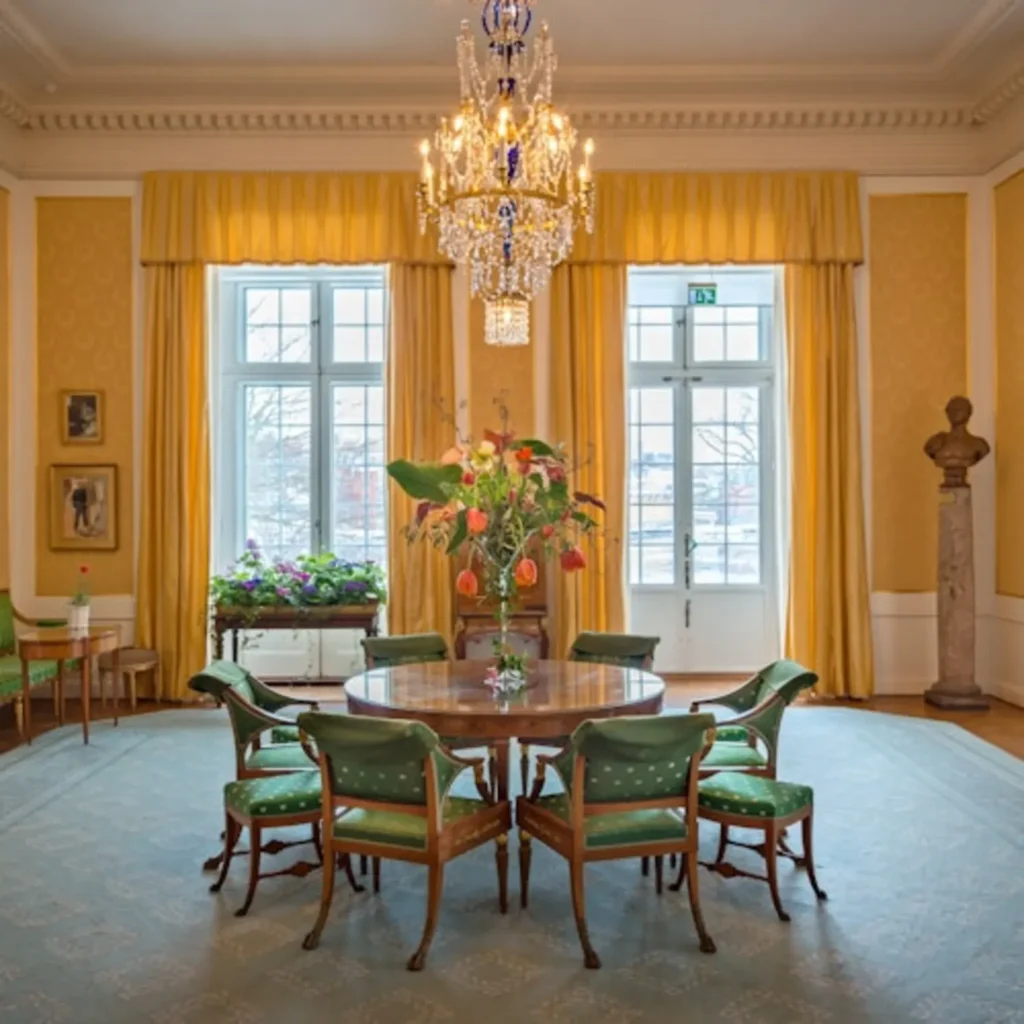
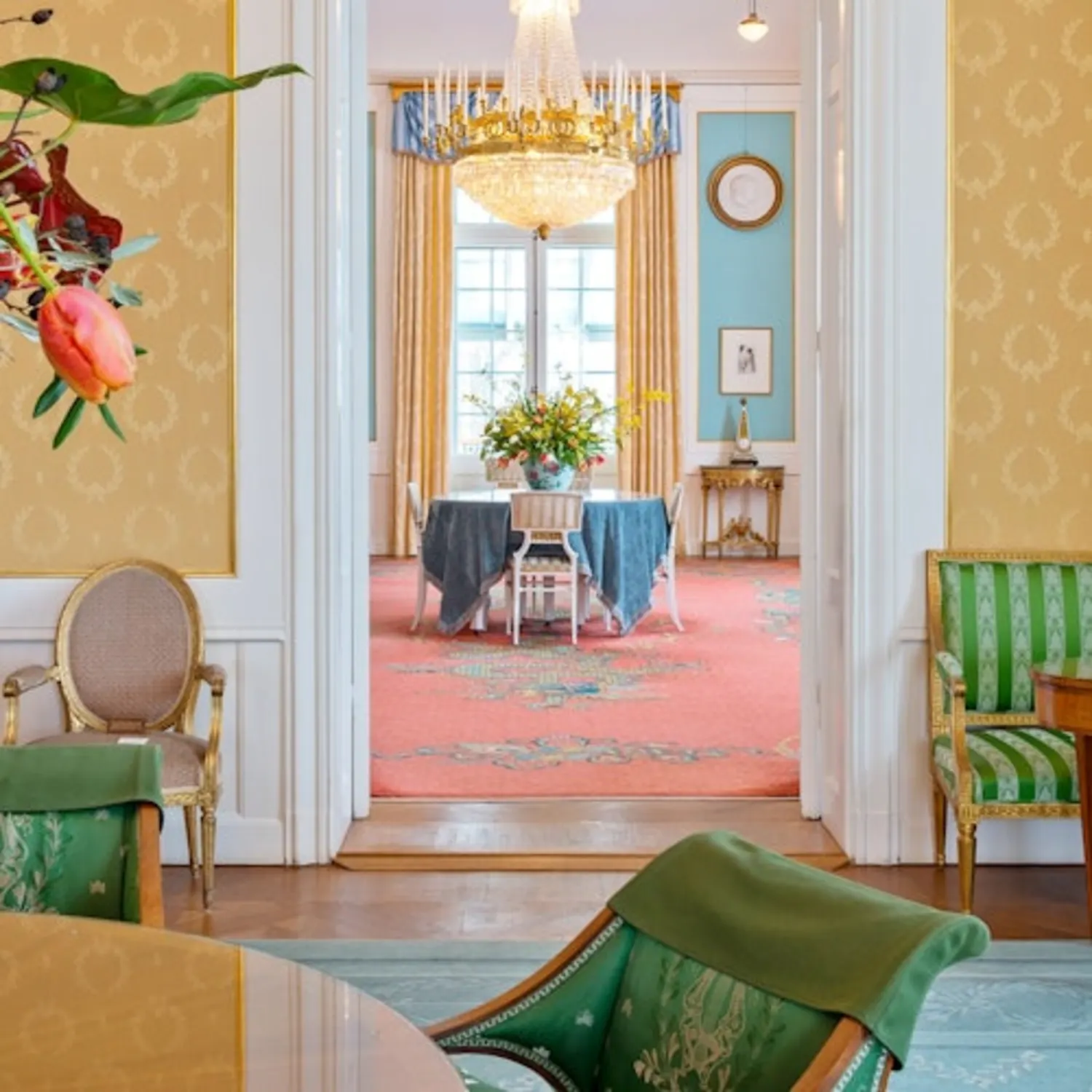
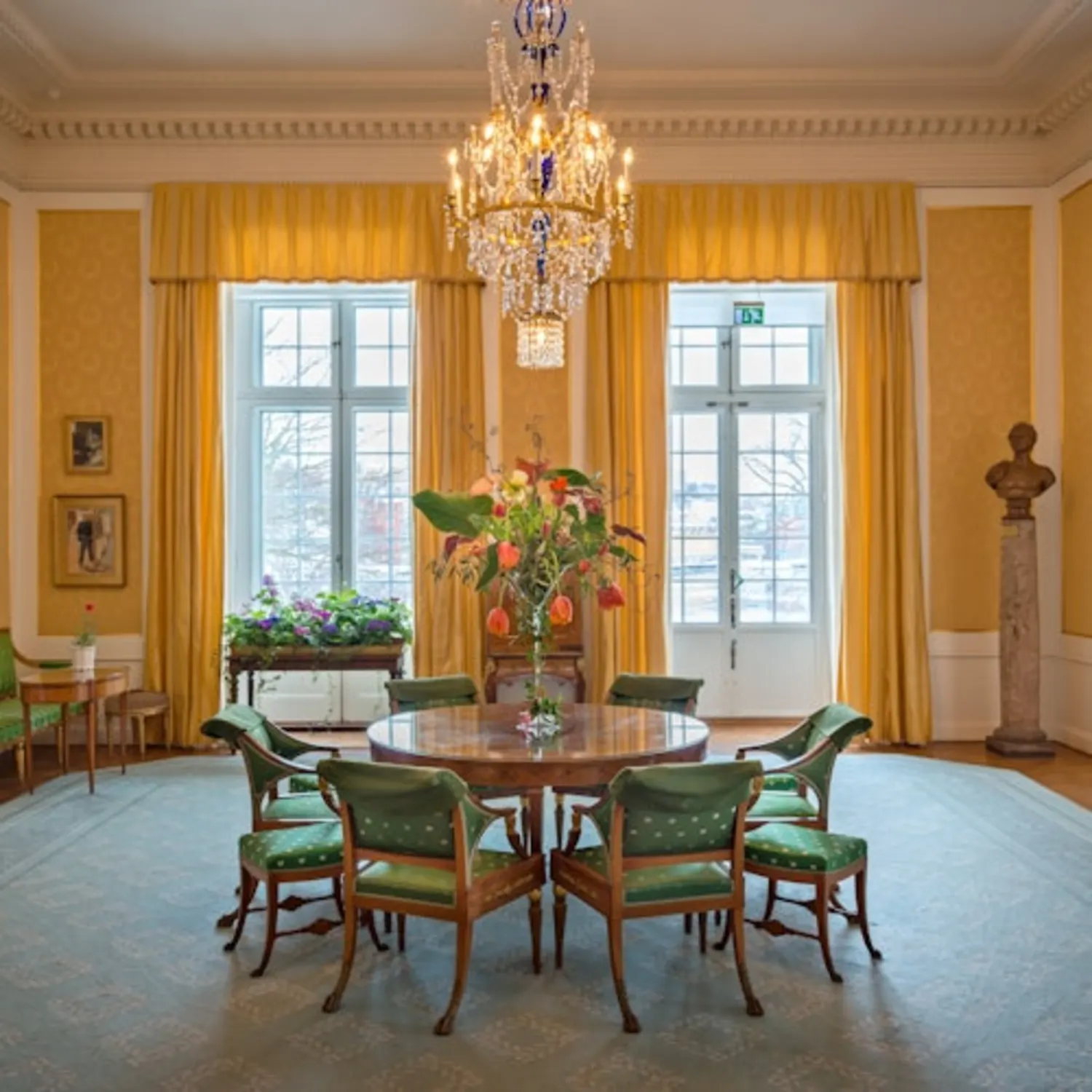
Explore the preserved banquet hall once used by Prince Eugen.

Visit vibrant permanent and temporary art exhibitions.

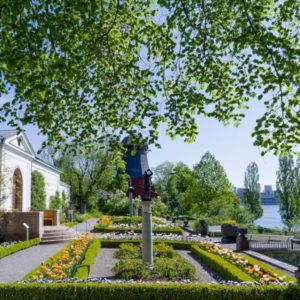
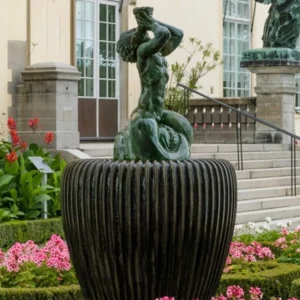
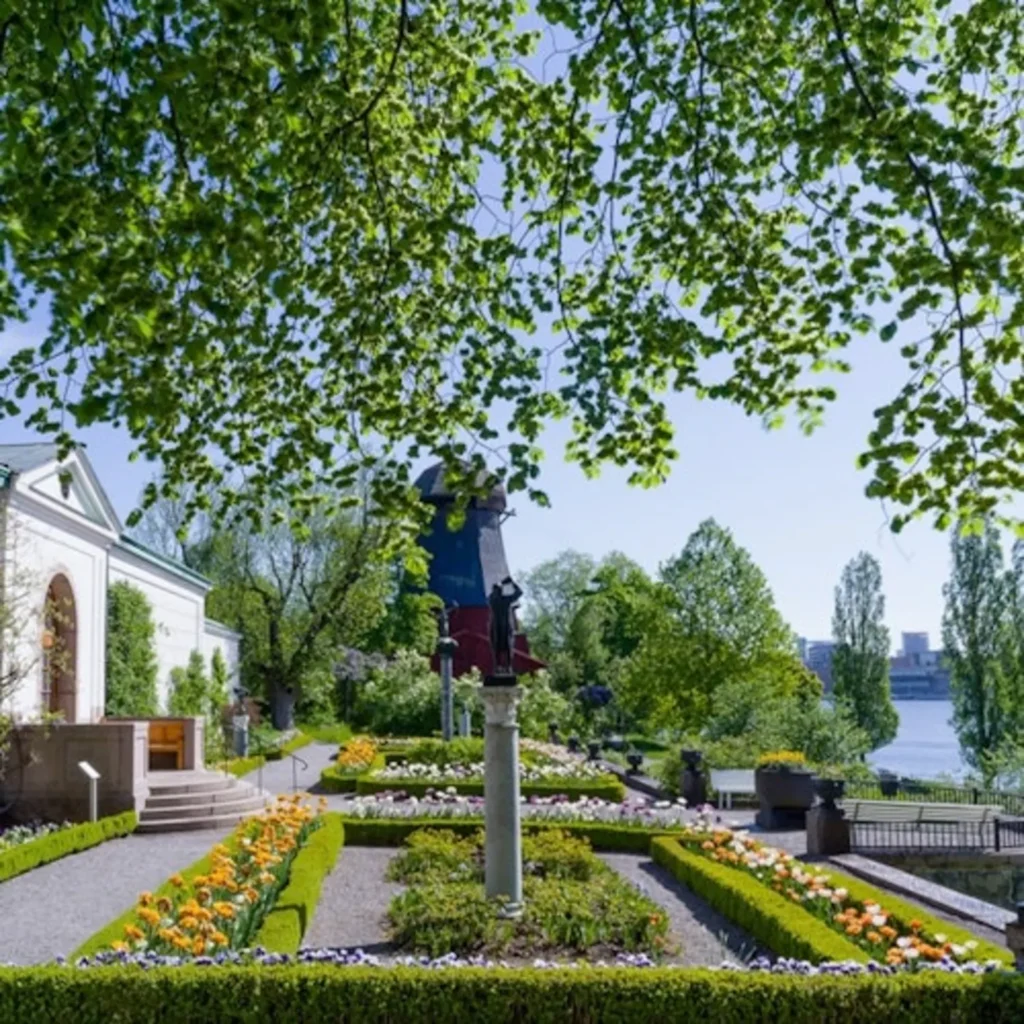
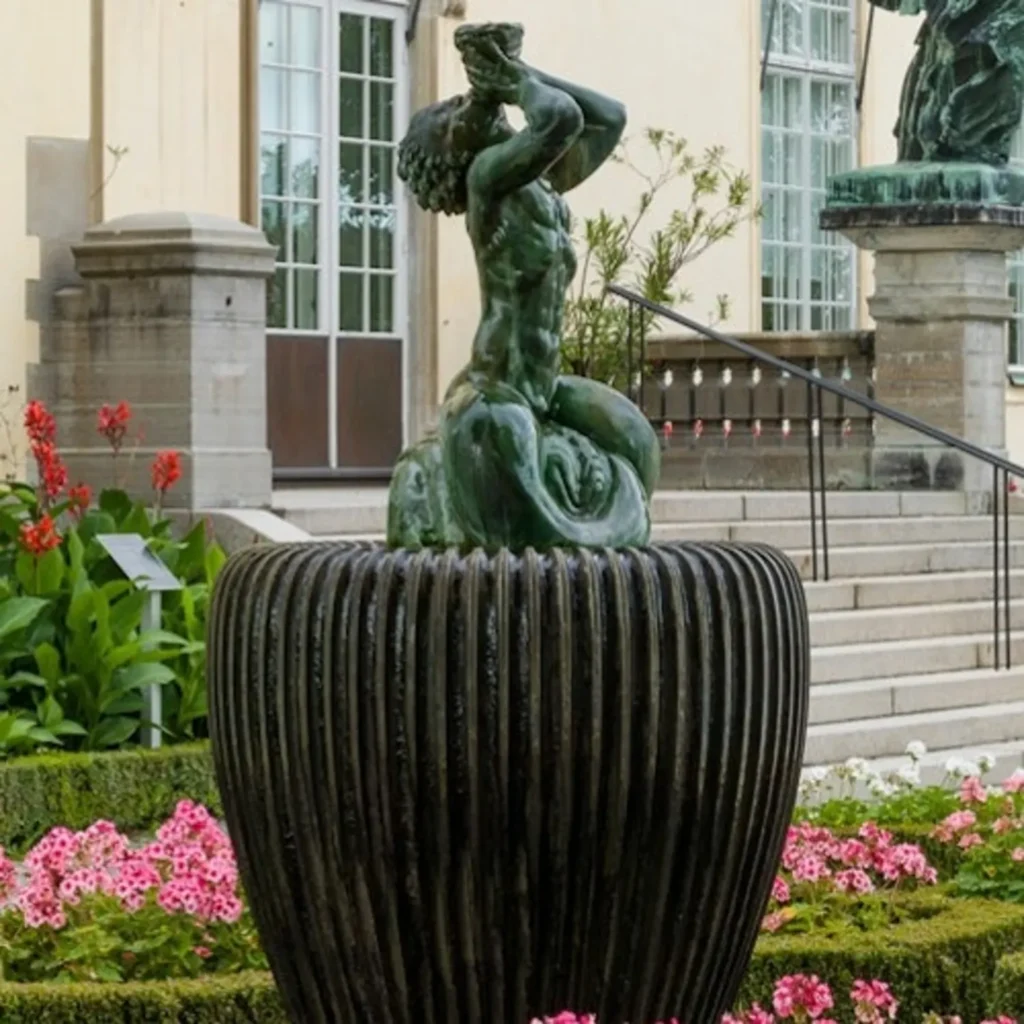
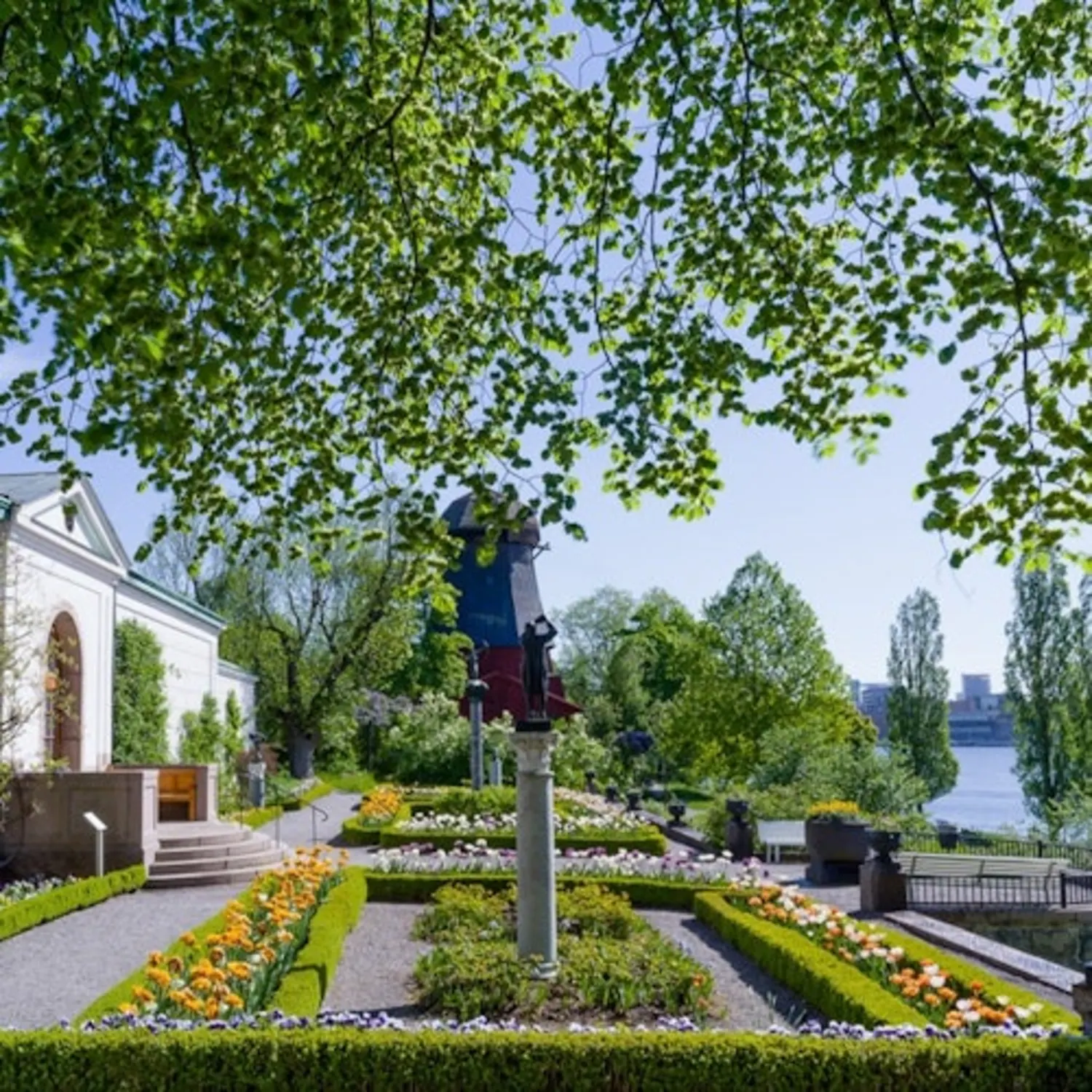
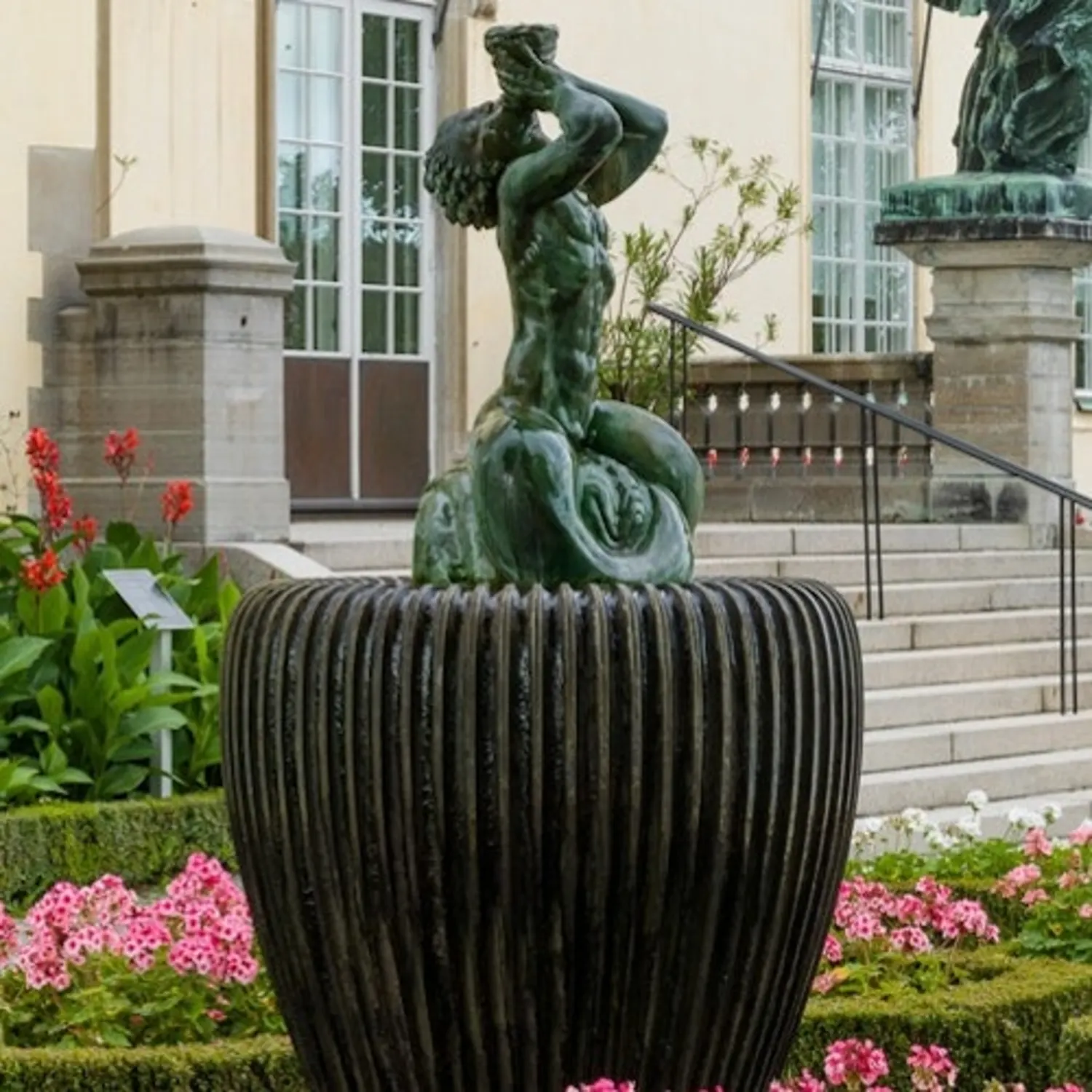
Stroll through scenic gardens featuring sculptures by renowned artists.

Discover historic buildings such as the Linseed Oil Mill within the park.

Enjoy access to both the museum’s indoor and outdoor attractions.
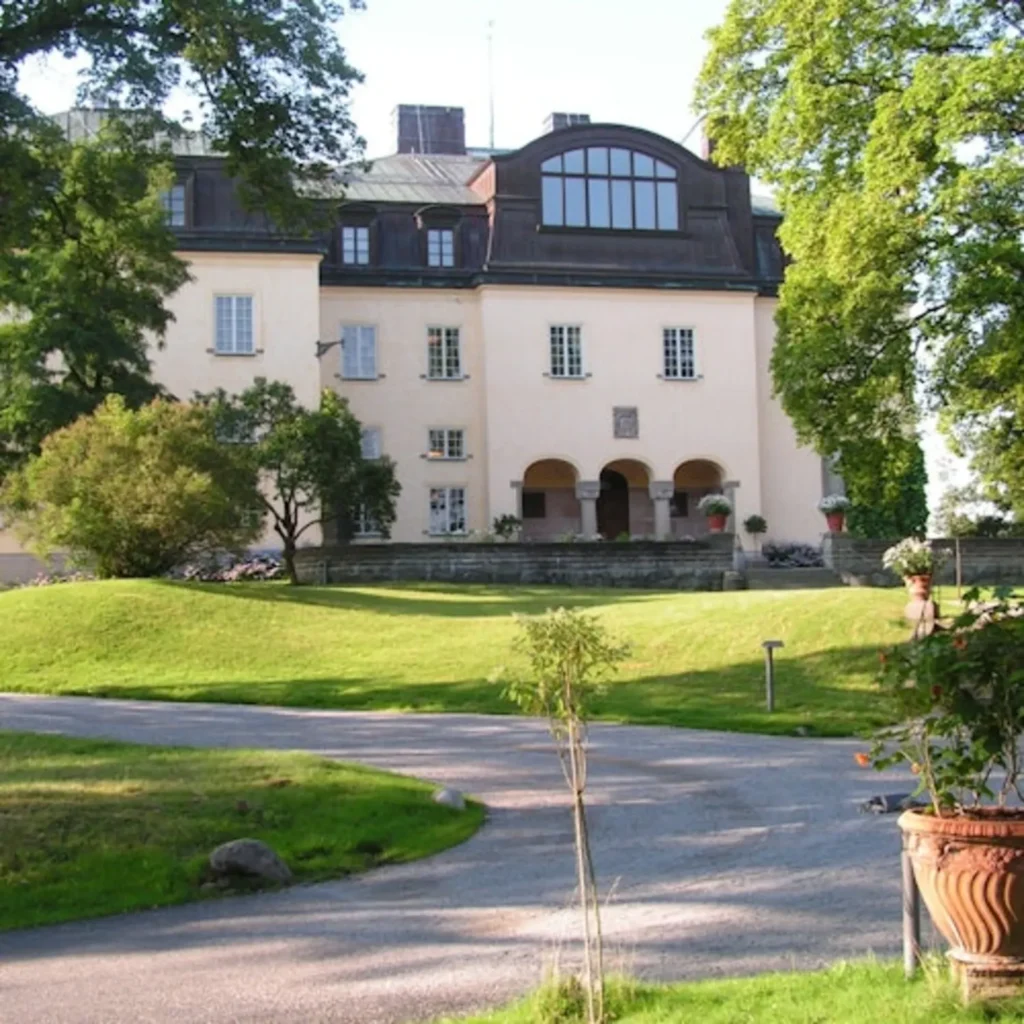
Prins Eugens Waldemarsudde, Stockholm

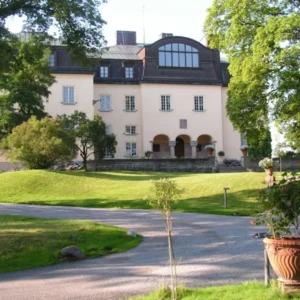
Prins Eugens Waldemarsudde is a captivating museum and art gallery nestled on Stockholm’s scenic Djurgården island. Once the royal residence of Prince Eugen, a celebrated Swedish artist, the estate now welcomes visitors to explore its rich history, impressive art collections, and beautiful gardens. Whether you’re an art enthusiast or a history lover, this unique cultural site offers an enriching experience. Secure your tickets today to immerse yourself in the artistic heritage and serene surroundings of Waldemarsudde.

About Prins Eugens Waldemarsudde

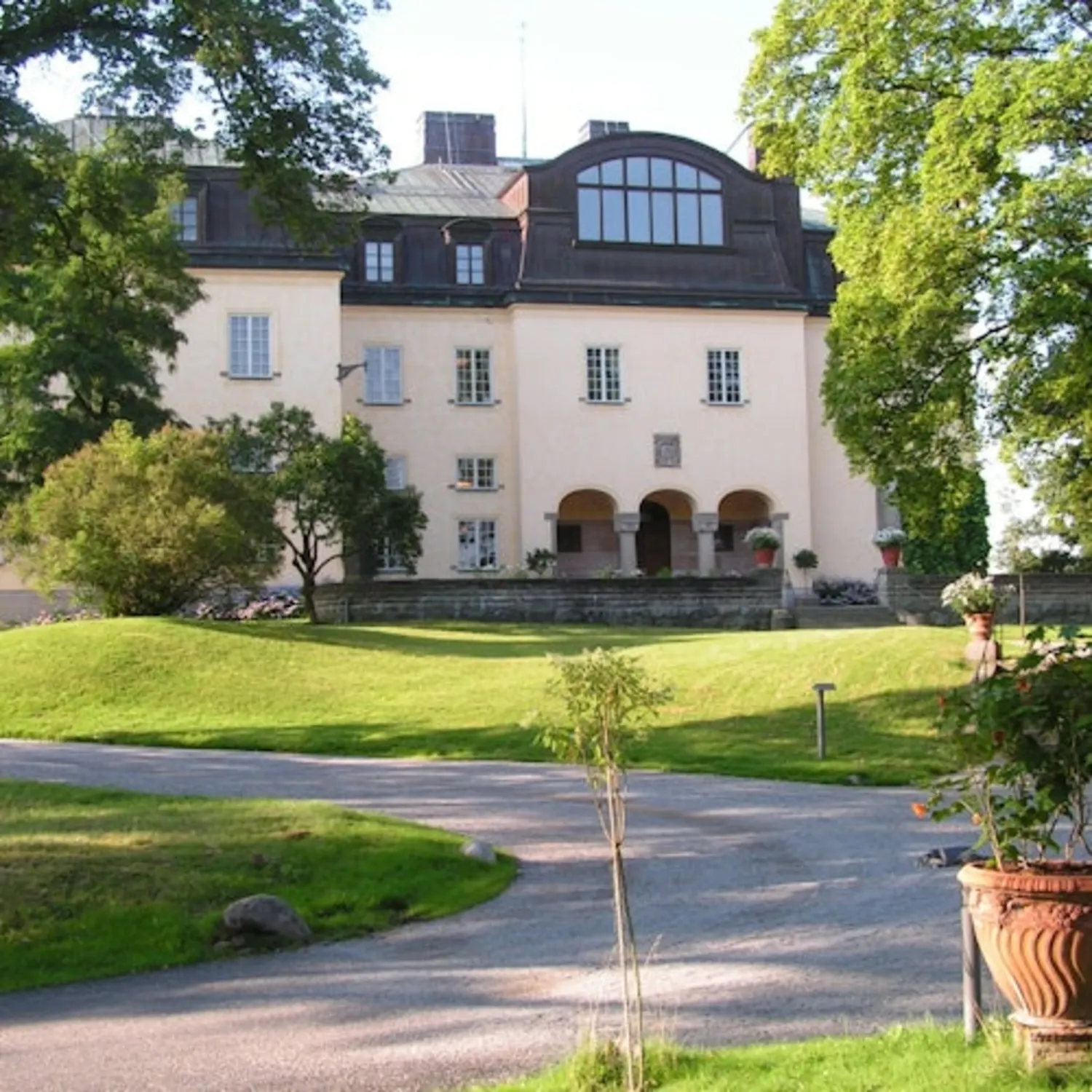
Prins Eugens Waldemarsudde is one of Sweden’s most popular art museums, originally established as the private residence of Prince Eugen, the youngest son of King Oscar II. Located on the scenic island of Djurgården, the estate was bequeathed to the Swedish state by the Prince and opened to the public in 1948.

The museum complex seamlessly integrates a historic mansion, a modern gallery building, and a sprawling sculpture park, all reflecting the Prince's lifelong dedication to landscape painting and art collecting. Visitors can explore preserved royal apartments, a vast collection of early 20th-century Nordic art, and meticulously landscaped gardens that offer panoramic views of the Stockholm harbor.

Founded as a Museum: 1948

Total Land Area: 70,000 square meters (approximately 17 acres).

Permanent Collection: Approximately 7,000 works of art, including 3,200 pieces by Prince Eugen and 3,500 works by over 450 other artists.

Sculpture Park: Features more than 40 major outdoor sculptures by artists such as Auguste Rodin and Carl Milles.

Historic Structures: The estate comprises five main buildings, including the 1905 Mansion, the 1913 Gallery, and an 18th-century linseed oil mill.

Why Visit Prins Eugens Waldemarsudde

The Former Residence of a Royal Artist

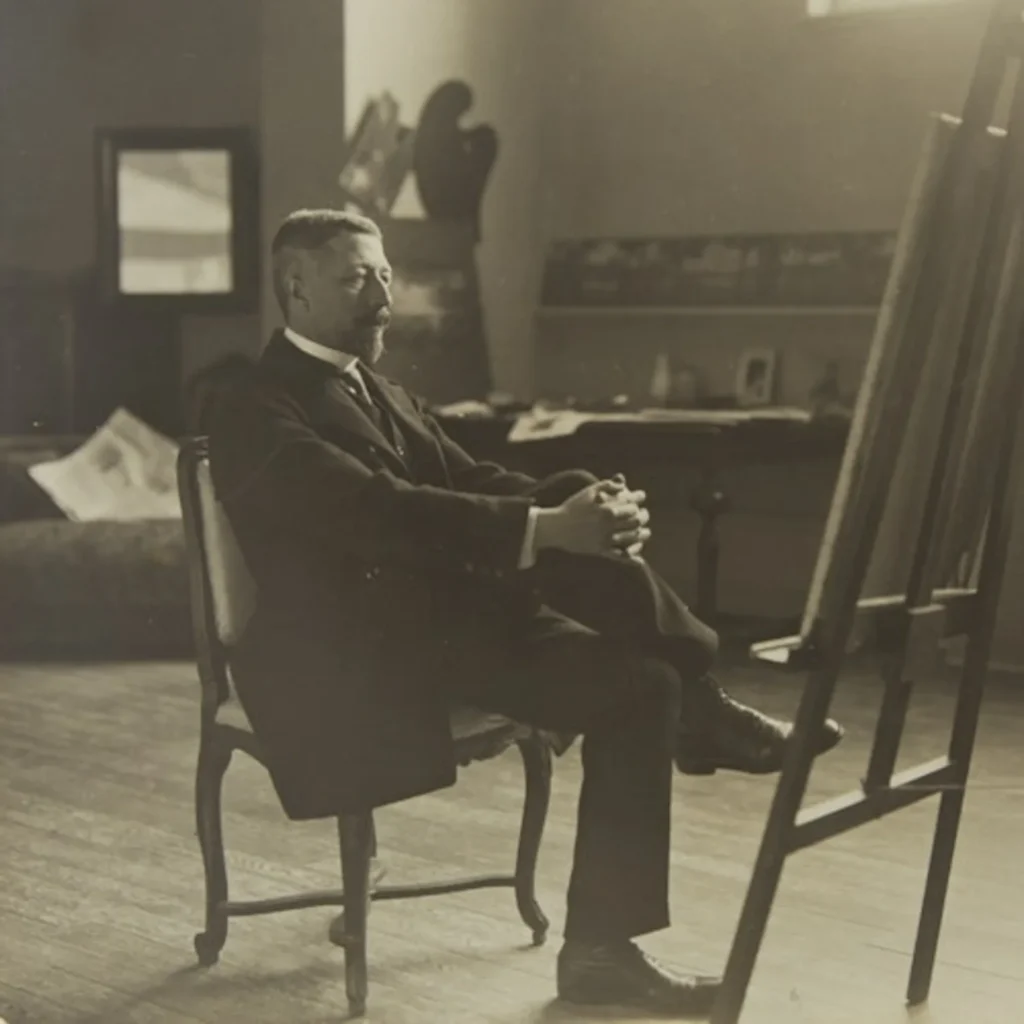
Prins Eugens Waldemarsudde was originally the home of Prince Eugen, one of the most prominent Swedish landscape painters of his time. Visitors can explore the preserved living quarters in the Mansion, which offer an intimate look at the Prince’s private life and his extensive personal art collection.

A Premier Destination for Nordic Art

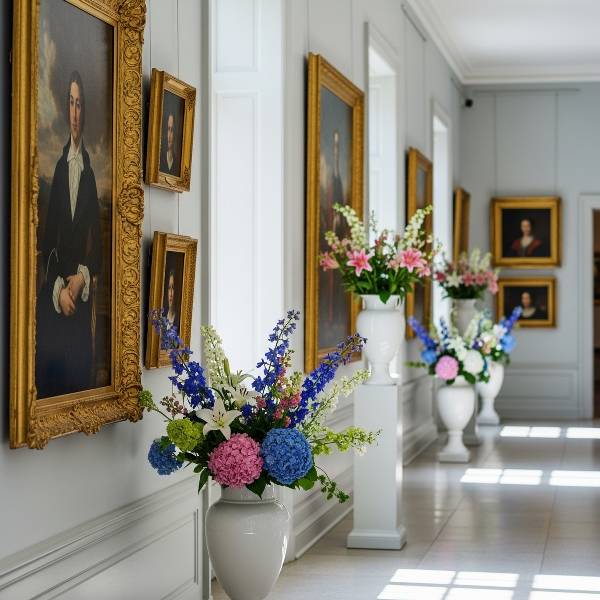
The museum houses a significant collection of early 20th-century Swedish and Nordic art, featuring works by masters such as Anders Zorn and Carl Larsson. In addition to the permanent collection, the gallery hosts a rotating schedule of world-class temporary exhibitions that bridge historical and contemporary perspectives.

The Iconic Flower and Sculpture Garden

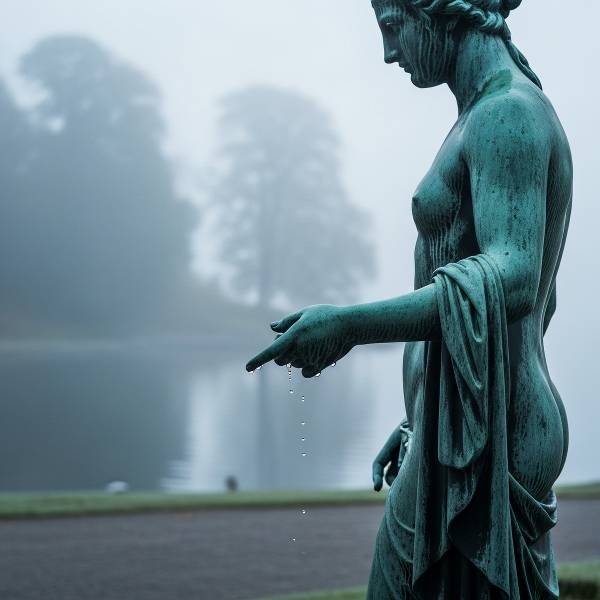
Situated on a peninsula overlooking the Stockholm harbor, the estate is renowned for its meticulously maintained gardens and parkland. The grounds feature a diverse range of sculptures by artists like Auguste Rodin and Carl Milles, integrated seamlessly into the floral displays and historical terrace designs.

Unique Historical Architecture

The museum complex consists of several notable buildings, including the main Mansion and the purpose-built Gallery designed by architect Ferdinand Boberg. The site also includes the Old House and a preserved 18th-century linseed oil mill, providing a rare architectural timeline of Djurgården's history.

Panoramic Views of the Stockholm Waterfront

Waldemarsudde offers some of the most scenic views in the city, positioned directly where the inner harbor meets the Baltic Sea. The combination of coastal vistas and quiet woodland paths makes it a peaceful retreat for those looking to experience Stockholm’s natural beauty without leaving the city center.

Timings

Tuesdays - Sundays: 11 AM - 5 PM
Thursdays: 11 AM - 8 PM

Mondays closed.

Closed days due to public holiday (2026)

Midsummer’s Eve - 19 June
Christmas Eve - 24 Dec
Christmas Day - 25 Dec
New Year’s Eve - 31 Dec

Restaurant and Café

The restaurant The Prince’s Kitchen has the same hours as the museum.

Café Ektorpet is open Saturday - Sunday, 11 AM - 5 PM.

How to Get There?

Prins Eugens Waldemarsudde is located at Prins Eugens väg 6 on the island of Djurgården in central Stockholm.

The museum is situated at the southern tip of the peninsula, approximately 3.5 kilometers from the city center.

Visiting Address:

Prins Eugens väg 6, Djurgården, Stockholm

Directions

Tram

The most convenient way to reach the museum is by taking tram line 7 from the city center, which departs from T-Centralen or Nybroplan.

Visitors should disembark at the final stop, Waldemarsudde, which is located just a short walk from the museum entrance.

Bus

Bus line 67 also provides direct access to the estate from various points in the city, including Odenplan and Karlaplan.

Passengers should get off at the Waldemarsudde stop to access the gallery and park grounds.

For a scenic approach, visitors can take the Djurgården ferry (Djurgårdsfärjan) from Slussen to Allmänna gränd, followed by a 15-minute walk along the waterfront.

Alternatively, the M/S Emelie ferry service connects Nybroplan and Hammarby Sjöstad directly to the Djurgården area during the peak season.

The walk from Nybroplan to Waldemarsudde takes approximately 30 to 45 minutes along the scenic Strandvägen and the Djurgården canal.

Cycling is a popular option, with well-maintained paths leading through the Royal City National Park directly to the estate.

While public transport is encouraged, limited parking is available on southern Djurgården near the museum.

Please note that road access to Djurgården is restricted during weekends and certain holidays to prioritize pedestrians and public transit.

Things to Know Before Visiting Prins Eugens Waldemarsudde

The museum operates on a card-only basis, meaning cash is not accepted for admission, at the shop, or in the restaurant.

Pre-purchased online tickets allow for easy entry but do not provide priority in the physical queue during peak visiting times.

To protect the historic interiors and artworks, backpacks and bags larger than an A4 sheet of paper must be stored in the provided lockers.

Bulky outerwear and umbrellas are not permitted in the galleries and should be left in the cloakroom.

Photography is permitted for private use, provided that you do not use a flash, tripod, or selfie stick.

While pets are not allowed inside any of the museum buildings, they are welcome on a leash within the park and gardens.

The museum is completely closed on Mondays, but the surrounding sculpture park remains accessible for walks.

Eating and drinking are strictly prohibited inside the exhibition spaces, though the on-site cafe and designated garden areas are available for refreshments.

Prins Eugens Waldemarsudde - Additional Info

The museum complex is designed to accommodate a high volume of visitors while maintaining the integrity of the historic buildings.

Cloakrooms and lockers are available near the main entrance for the secure storage of coats and larger bags, which are not permitted inside the galleries to protect the artwork.

Restroom facilities are located in both the Mansion and the Gallery building, with baby-changing stations provided for families traveling with young children.

To enhance the visitor experience, the museum offers digital guides that provide deeper insight into the permanent collection and the history of the estate.

Throughout the grounds, visitors will find seating areas and benches, both indoors and across the parkland, allowing for moments of rest while overlooking the Stockholm harbor.

Free Wi-Fi is accessible in the main visitor areas, and information desks are staffed to assist with any logistical inquiries during your visit.

The Museum Shop is situated in the main Gallery building and offers a curated selection of items inspired by Prince Eugen’s life and the museum’s current exhibitions.

The inventory includes high-quality art prints, stationery, and a wide range of literature focusing on Nordic art history, botany, and Swedish design.

Many products are exclusive to Waldemarsudde, featuring motifs from the Prince’s most famous landscape paintings.

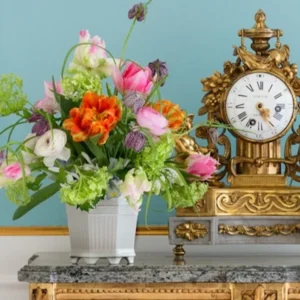
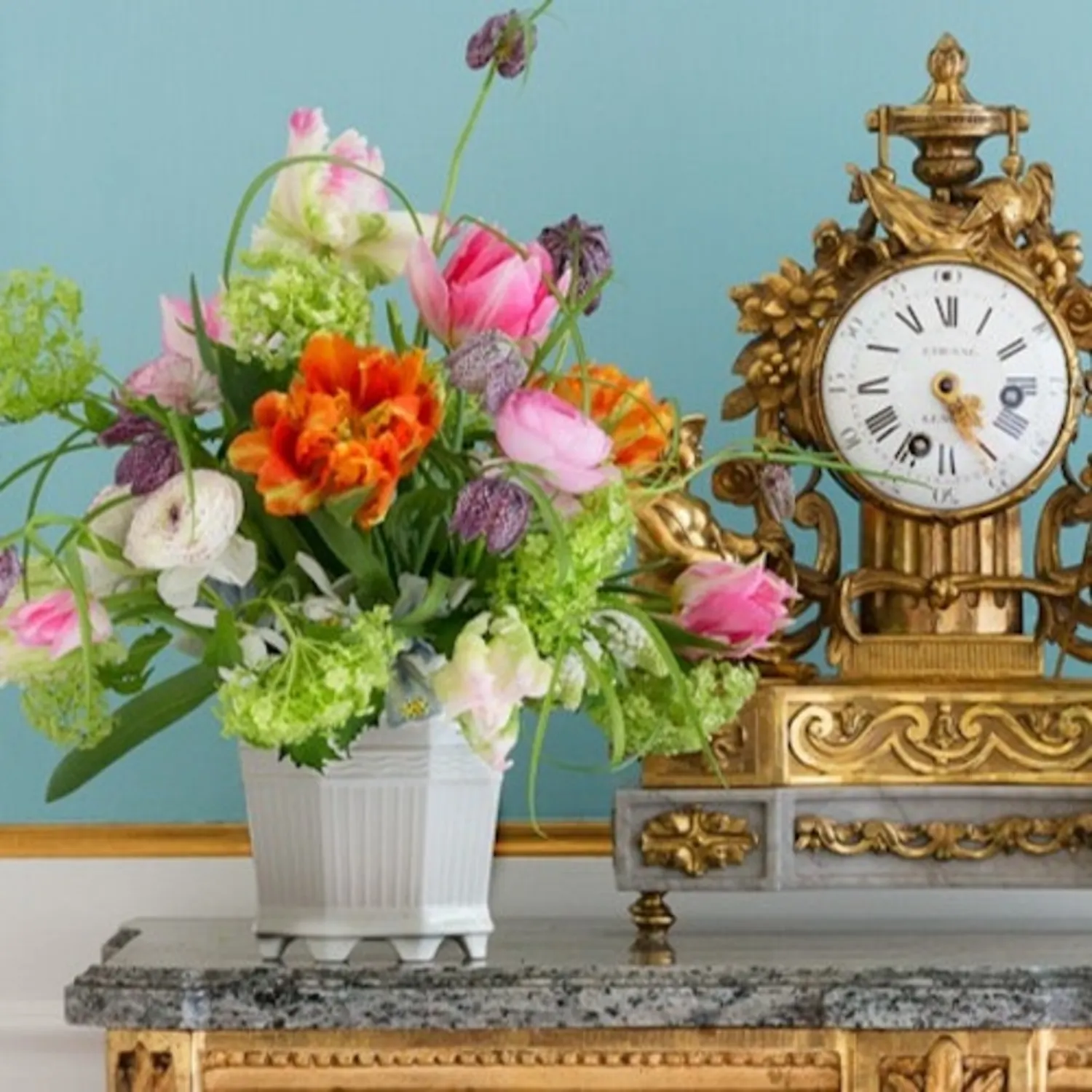
Beyond traditional souvenirs, the store stocks unique home decor items, including the iconic Waldemarsudde flowerpot, which was originally designed by Prince Eugen himself in 1915.

The shop also features handcrafted jewelry and textiles from local Swedish designers, emphasizing the museum's connection to the national arts and crafts movement.

Purchases made at the shop directly support the continued preservation of the estate and its collections.

Prins Eugens Waldemarsudde features an on-site cafe and restaurant, Prinsens Kök (The Prince’s Kitchen), located in the Mansion’s former kitchen and servants' quarters.

The menu focuses on classic Swedish flavors, utilizing seasonal ingredients to offer a selection of lunches, traditional pastries, and open-faced sandwiches.

During the warmer months, the outdoor terrace opens, providing visitors with the opportunity to dine while enjoying views of the garden and the waterway.

The restaurant is known for its "fika" offerings, serving coffee and homemade cakes in a setting that retains much of its historical charm.

Because the venue is a popular destination for both museum-goers and local residents, table reservations are recommended for weekend lunches.

The kitchen can accommodate various dietary requirements, including vegetarian and gluten-free options, ensuring a high-quality culinary experience for all guests.

Accessibility

Prins Eugens Waldemarsudde is committed to ensuring that its collections and grounds are accessible to all visitors. The main Mansion and the Gallery building are equipped with elevators and ramps to facilitate access for those using wheelchairs, mobility scooters, or strollers. While the historic nature of the buildings presents certain architectural constraints, most exhibition spaces have been modernized to meet current accessibility standards. Thresholds are minimized, and automated door openers are installed where possible to allow for independent movement between rooms.

The park and gardens feature gravel paths that are generally accessible, though some inclines may be challenging for manual wheelchair users due to the natural topography of the peninsula. Accessible restrooms are located in the main entrance area and within the gallery sections. For visitors with visual impairments, guide dogs are permitted throughout the museum and grounds. Additionally, folding chairs are available for loan in the galleries for those who may have difficulty standing for extended periods.

For visitors arriving by car who hold a valid disability parking permit, there are designated parking spaces located in close proximity to the museum entrance. It is recommended to contact the museum in advance if you have specific requirements or questions regarding the transition between the various historical buildings on the estate.

Interesting Facts about Prins Eugens Waldemarsudde

Prins Eugen was the youngest son of King Oscar II and was widely recognized as one of Sweden’s leading landscape painters.

The museum was originally the Prince's private residence and was bequeathed to the Swedish state following his death in 1947.

The estate includes a rare 18th-century linseed oil mill that is one of only five such wind-powered structures remaining in the world.

Architect Ferdinand Boberg designed both the main Mansion and the separate Gallery building in close collaboration with the Prince.

The art collection consists of approximately 7,000 works, including over 3,000 pieces created by Prince Eugen himself.

At the time of the Prince's death, his collection was considered the largest private art collection in all of Sweden.

An underground tunnel connects the historic Mansion to the Gallery building, allowing visitors to move between exhibitions without going outside.

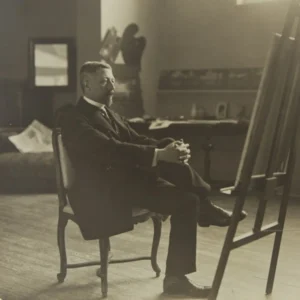
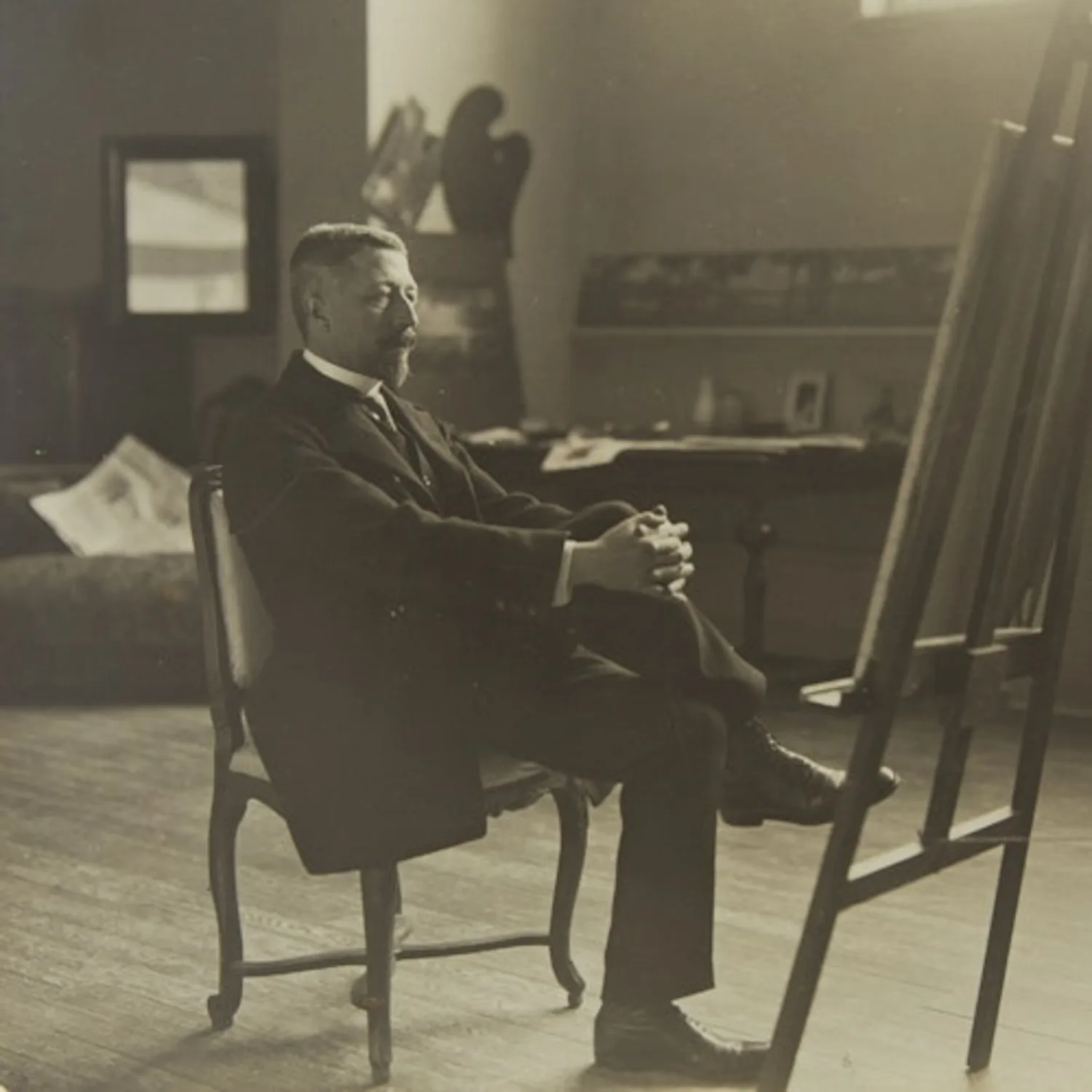
The Prince’s top-floor studio in the Mansion remains preserved, offering a look at the space where many of his major works were conceived.

The garden features a bronze cast of Auguste Rodin’s famous sculpture, The Thinker, positioned on the terrace overlooking the water.

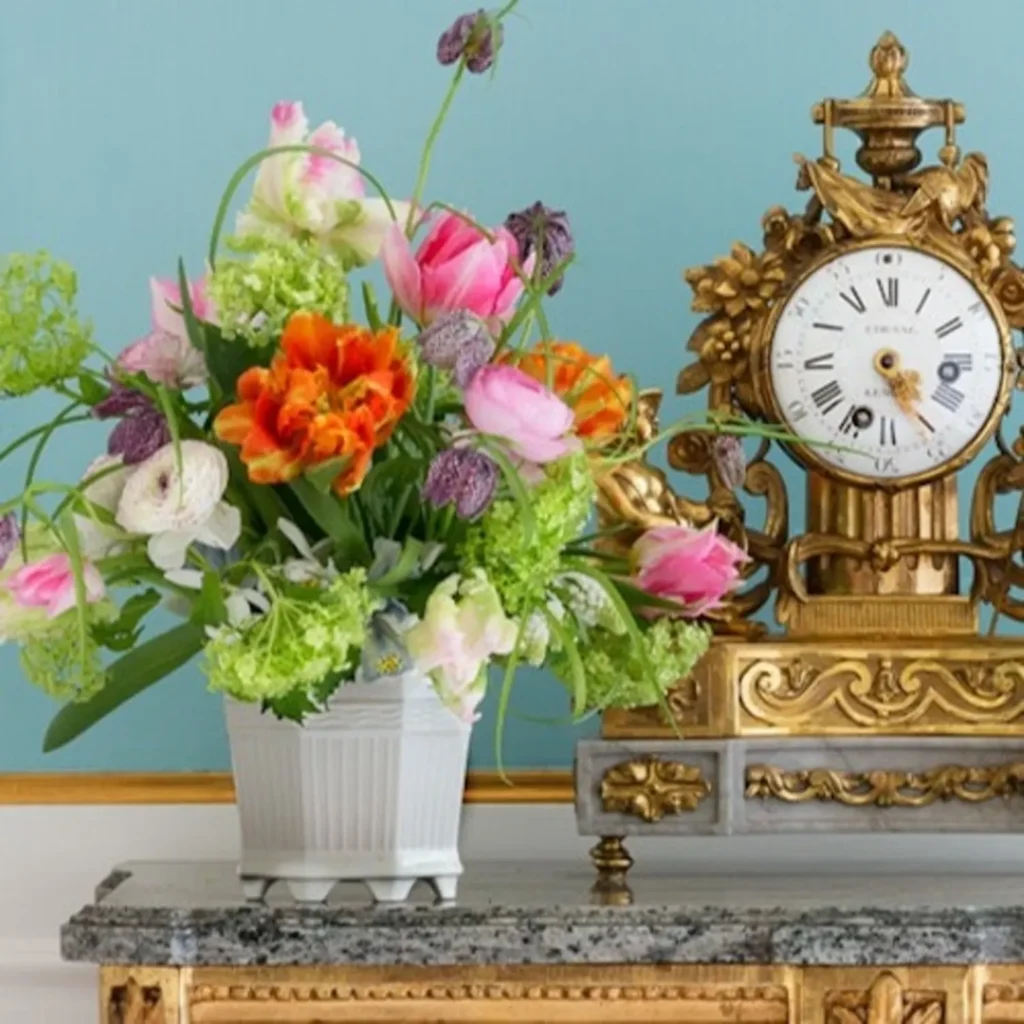
Prince Eugen was an avid botanist who personally designed the flower layout of the terraces and frequently chose the interior floral arrangements.

The Old House on the property dates back to the 1780s and served as the Prince's residence while the main Mansion was under construction.

Many of the room interiors feature custom-designed cocklestoves and Art Nouveau details specifically commissioned by the Prince.

The estate covers roughly 70,000 square meters of land on the southern tip of the Djurgården peninsula.

The museum is famous for its unique Waldemarsudde flowerpot, a white porcelain vessel designed by the Prince that is still sold today.

Prince Eugen’s ashes are interred on the grounds of the estate, located at a specific spot overlooking the harbor that he found particularly beautiful.

FAQs about Prins Eugens Waldemarsudde

Who was the original owner of Waldemarsudde?

The estate was the private residence of Prince Eugen, the youngest son of King Oscar II and a distinguished landscape painter.

When did the estate become a public museum?

Prince Eugen bequeathed the property to the Swedish state upon his death in 1947, and it opened to the public in 1948.

What kind of art is featured in the permanent collection?

The collection focuses on early 20th-century Nordic art, featuring thousands of works by Prince Eugen along with pieces by masters like Anders Zorn.

How many buildings make up the museum complex?

The complex includes five main structures, featuring the 1905 Mansion, a dedicated Gallery building, and a historic 18th-century linseed oil mill.

What is the significance of the linseed oil mill on the grounds?

It is a rare 18th-century wind-powered structure and remains one of only five such mills left in the world today.

Are there famous sculptures to see in the gardens?

Yes, the grounds feature over 40 works, including notable bronze casts such as Auguste Rodin’s The Thinker.

Is it possible to see the Prince's actual painting workspace?

Visitors can view the Prince’s preserved top-floor studio in the Mansion where he created many of his famous landscapes.

What are the standard opening hours for the museum?

The museum is open Tuesday through Sunday from 11 AM to 5 PM, with extended hours until 8 PM every Thursday.

Is the museum open on Mondays?

The museum buildings and galleries are closed every Monday, though the surrounding sculpture park remains accessible to the public.

Can I pay for my tickets or cafe treats with cash?

No, Waldemarsudde is a card-only venue and does not accept cash payments in the shop, restaurant, or at the entrance.

Are pets allowed to accompany visitors inside the galleries?

Pets are not permitted inside any museum buildings, but they are welcome on a leash within the park and gardens.

Is there a place to store large bags or coats?

Complimentary lockers and a cloakroom are available near the entrance, as large bags and bulky outerwear are not allowed in the galleries.

What is the best way to reach the museum using public transport?

Taking tram line 7 to the final Waldemarsudde stop is the most direct and convenient method of arrival from the city center.

Are there dining options available on the estate?

The Prince’s Kitchen restaurant serves seasonal Swedish cuisine in the Mansion, and Café Ektorpet is open for refreshments on weekends.

This website sells official tickets for this venue. Please note, however, that it is not the official website of the venue.

The images and videos on this website may contain visual elements that have been created or enhanced using AI technology. They are provided for illustrative purposes only.